
Injection molding didn’t “flip” in 2025. It evolved under pressure. The shops that performed best weren’t necessarily the ones with the newest buzzwords, but the ones that tightened their fundamentals while adapting to a few very real shifts.
This recap is written for engineers, production managers, and process owners who live in cycle time, scrap rate, and downtime. We’ll cover what changed across Europe in 2025, what stayed stubbornly the same, and what to do with that reality if you’re planning for the next replacement cycle or trying to stabilize output today.
The 2025 shifts that showed up on the shop floor
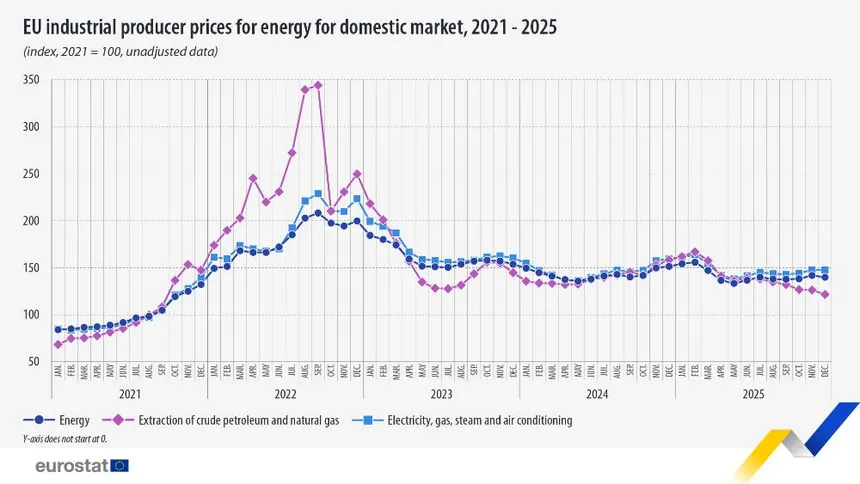
1) Energy became an engineering variable, not just a finance line
Energy costs were already a topic—2025 made them operational. The conversation moved from “we should be efficient” to:
- How many kWh per kg of resin processed are we actually running
- How much energy is idle energy (warm-up, holding, waiting, auxiliaries)
- How much of our peak demand could we reduce without touching throughput
- Which retrofits deliver measurable savings vs nice dashboards
What changed in practice
- More plants started tracking energy at the machine or cell level.
- Maintenance teams got pulled into energy projects (because temperature stability, hydraulics health, and leakage matter).
- Machine selection discussions shifted toward energy architecture (servo strategies, regeneration, control logic) rather than headline claims.
What this means for 2026 planning
- If you’re not measuring energy per part or per kg, you’re guessing.
- If you are measuring but not linking it to cycle phases, you’re still guessing—just with nicer numbers.
2) Talent gaps turned “process knowledge” into a risk
In 2025, hiring wasn’t just difficult—it was inconsistent. Plants could often hire someone, but not always with deep molding intuition. That forced a shift:
- From “we have experts who can feel it out”
- To “we need standard work that makes good output repeatable”
What changed in practice
- More interest in setup checklists, parameter lock strategies, and guided start-up routines.
- More focus on training operators on why (melt, pack, cushion, venting) rather than only how (push these buttons).
- Increased reliance on machine HMI usability because it directly affects error rate.
What this means
- The value of a machine isn’t only clamp tonnage and speed—it’s how reliably it supports consistent operation with real-world staffing.
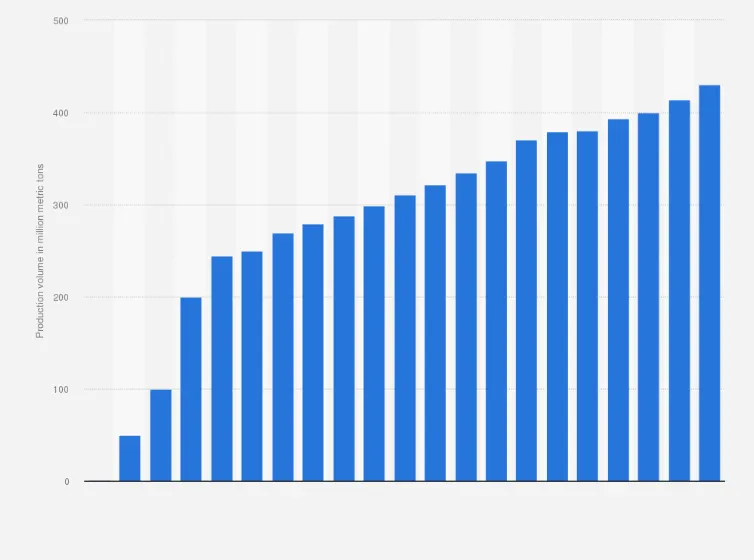
3) Demand volatility kept scheduling reactive—and raised the cost of changeovers
Many molders saw uneven order patterns in 2025: short-run jobs, last-minute changes, and uncertainty. That pushed two priorities to the front:
- Faster changeovers
- Faster stabilization after start-up
If you have to change molds more often, the hidden costs show up as:
- more scrap
- longer “first-good-part” times
- more micro-stoppages
- more operator variation between shifts
What changed in practice
- Companies started treating start-up repeatability like a KPI, not just a nuisance.
- More structured documentation on proven recipes and setup conditions (drying, material lots, cooling, mold temperature).
4) Quality expectations tightened—even in “non-critical” parts
Customers asked fewer questions about promises and more about evidence:
- capability studies
- traceability
- consistency across shifts
- documented maintenance routines
- process windows that aren’t razor-thin
What changed
- More plants started using process limits (guard bands) rather than running “right on the edge” of acceptable.
- Stronger emphasis on drift control: temperature, viscosity variation, wear, contamination, and mold condition.
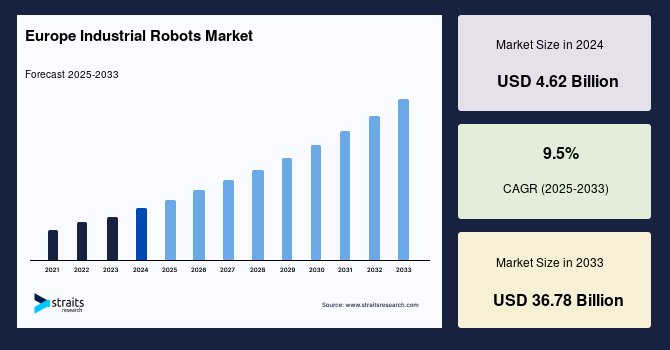
5) Automation pressure increased, but expectations got more realistic
2025 didn’t make every cell “lights-out.” It made automation decisions more practical:
- Automation is not a trophy; it’s a throughput + quality tool.
- Robots solve some problems (handling, consistency), but create others (integration, maintenance, programming, floor space).
What changed
- More interest in automation that reduces operator load without overcomplicating the cell:
- simple pick-and-place
- vision for basic checks
- conveyors and separation
- quick tooling interfaces
- More focus on integration readiness: signals, safety, cycle sync, and data capture.
What didn’t change (and still decides performance)
Here’s the uncomfortable truth: most “incidents” in molding still come from the same root causes as before.
Fundamentals that still win
- Process discipline
- documented setup method
- controlled changes
- parameter ownership
- Repeatability
- stable melt preparation
- consistent pack/hold behavior
- controlled cooling
- Maintenance
- filters, seals, lubrication, cooling circuits
- wear monitoring (screw, barrel, check ring)
- Operator usability
- clear HMI logic
- alarms that help, not punish
- standardized start-up/shutdown workflows
The same old physics still applies
- Resin behaves like resin.
- Moisture still ruins parts.
- Venting still matters.
- Cooling still dominates cycle time.
- A “perfect” recipe still fails if the mold, material, or maintenance condition changes.
The real takeaway from 2025: stability became the competitive edge
The plants that stood out weren’t always those chasing maximum speed. They were the ones that could say:
- “We can run this part consistently across shifts.”
- “We recover quickly after a stop.”
- “We can prove what changed when quality drifted.”
- “We reduce scrap before it shows up in customer complaints.”
In other words: operational stability became a differentiator, not just a baseline expectation.
Practical checklist: where to focus after reading this
If you want to turn “trends” into measurable gains, start here.
If energy is a priority
- Measure kWh per kg and kWh per part
- Separate energy by:
- warm-up / idle
- production cycle
- auxiliaries
- Identify top 3 causes of waste:
- overheating / temperature instability
- idle time between cycles or jobs
- auxiliary equipment running unnecessarily
If talent gaps are your daily reality
- Build a standard start-up procedure that includes:
- material drying confirmation
- mold temperature verification
- first-off inspection points
- recipe lock rules and escalation process
- Create a “recipe health” checklist:
- cushion target range
- pack/hold stability indicators
- alarm thresholds that matter
If demand volatility is killing you
- Track:
- time to first good part
- scrap in first 30 minutes
- changeover time (true time, not scheduled time)
- Improve:
- quick-connect utilities
- documented mold settings
- preheating and staging routines
- standardized purge procedure by material
If quality expectations are tightening
- Move from “pass/fail” to “process window” thinking
- Document:
- acceptable parameter ranges
- response plans to drift
- maintenance history tied to quality events
- Audit:
- mold cooling condition
- venting cleanliness
- screw/check ring wear trends
